
Lime plastering is the majority of what I do, and it’s what I’ve been doing since I was a teenager. Based in Much Wenlock, I work across Shropshire and into the surrounding counties from Shrewsbury and Telford to Ludlow, Church Stretton, Bridgnorth, and Oswestry;- carrying out traditional lime plaster work on period homes, listed buildings, and heritage properties that deserve materials matched to how they were built.
Modern plasters and lime simply don’t belong on the same wall. Gypsum traps moisture, cement is too rigid, and neither will perform the way an older building needs them to. A properly applied lime plaster system compromising of a scratch coat, float coat and finish coat, allows the wall to breathe, manages moisture naturally, and when done right, will outlast anything a bag of board finish could offer.
As a specialist Shropshire lime plasterer, every job I take on gets the same approach: assess the substrate properly, prepare it correctly, use the right materials for the building, and take the time each coat needs. There are no shortcuts with lime, and I wouldn’t want to take them.
If your property has solid walls, a history of damp issues, or you’ve had modern plaster applied and it’s not performing, it’s worth a conversation. I’m happy to look at what you’ve got before you commit to anything.
You can contact me on 07904449728 or email me at naturallyplastered@gmail.com
Shropshire is full of solid-wall buildings, from stone cottages, timber-framed farmhouses to Victorian terraces that were built long before cement or gypsum existed. These buildings were designed around lime from the ground up, and that matters when it comes to repairs and restoration. Introducing modern materials into an older wall doesn’t just look wrong; it can cause real, lasting damage.
The core issue is breathability. Solid walls manage moisture by allowing it to move through the fabric of the building and evaporate. Lime plaster works with that process. Cement and gypsum don’t — they seal the wall, trap moisture behind an impermeable surface, and create exactly the kind of damp problems that owners of older properties often spend years trying to solve.
Flexibility matters too. Older buildings shift and settle, particularly in areas like Shropshire where properties built on clay soils or rubble foundations have been doing so for centuries. Lime plaster and mortar can accommodate that natural movement. Harder, more brittle modern materials can’t — they crack, they fail, and they take the masonry with them.
For a traditionally constructed Shropshire property, lime plastering isn’t a heritage preference, it’s a practical one.
Three-coat lime plaster systems using traditional non-hydraulic lime mortars.
Improve comfort and thermal performance of older properties whilst maintaining breathability.
Traditional stone repairs, rebuilding stonework and masonry conservation in Shropshire.
Breathable repointing for stone and brick buildings using appropriate lime mortars.
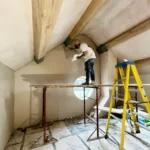
If you’ve never had lime plaster work done before, it can feel a little unfamiliar, especially when you realise it’s nothing like a plasterer arriving and skimming a wall in an afternoon, in and out in a flash. Lime plastering is a multi-coat system, and each coat needs time to cure before the next goes on. That patience is exactly what makes it so durable. Here’s what the process typically looks like on a traditional Shropshire property.
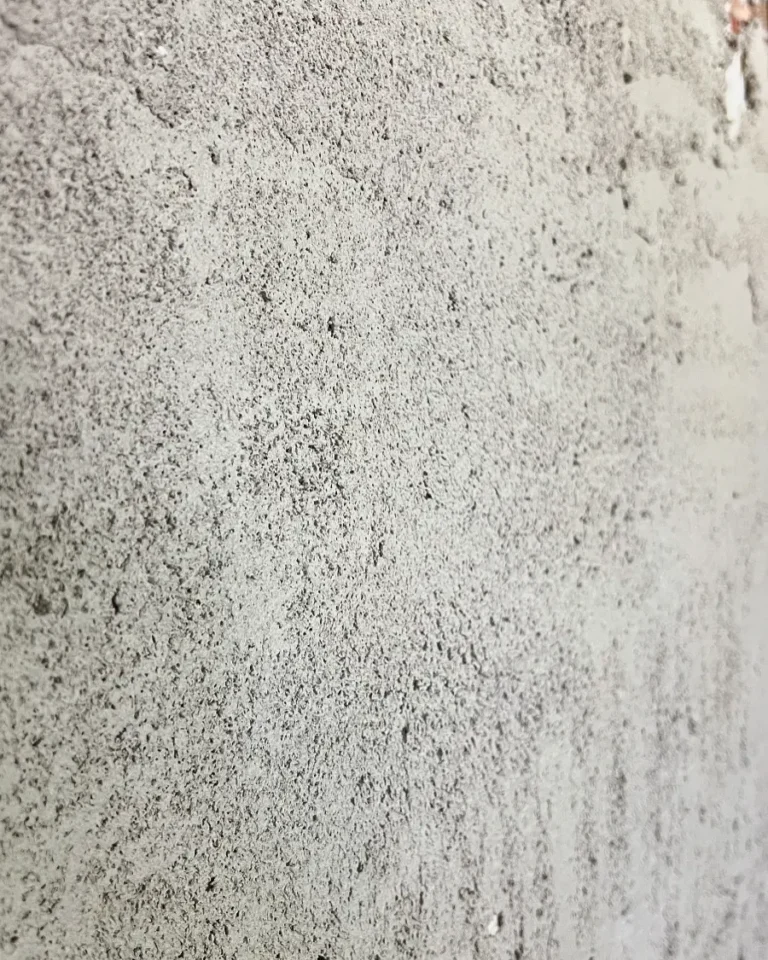
A coarse, thrown-on base coat used on very uneven or porous substrates — particularly rough stone walls. It creates a key for the next layers above and evens out the worst of the surface variation before any buildout work begins. This coat is left to carbonate for around a week in normal conditions before the next steps begin.
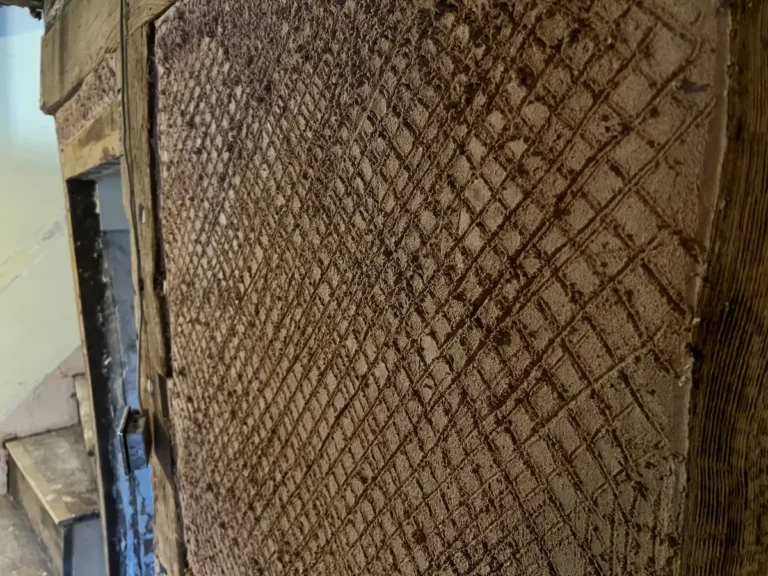
Deep hollows, missing sections and uneven areas are built up first – this is the ‘dubbing out’. The scratch coat, the first ‘layer’ of plaster then goes over the whole surface, forming the structural base of the plaster system. It’s keyed in a diamond shape pattern while still green to help the next coat (the float coat) bond. There is usually a small gap of time between dubbing out and applying the scratch coat to allow the dubbing out to set and carbonate properly.
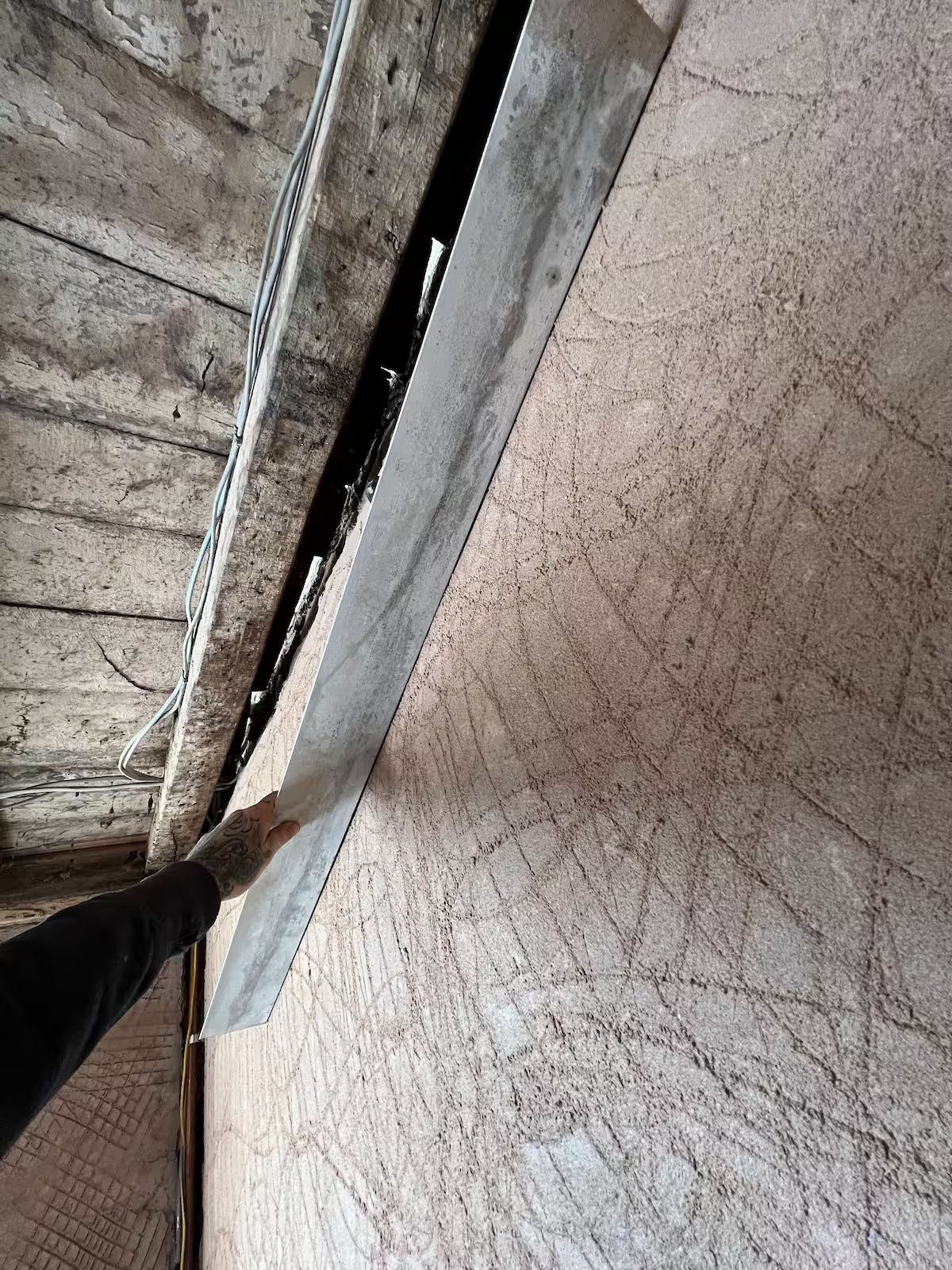
Applied once the scratch coat has cured sufficiently, the float coat brings the wall to a true, flat plane. This is where the real skill lies, getting the surface level and consistent before the finish goes on. That being said, depending on the ‘plumbness’ and level of the walls of the property, how flat and true you wish your walls to be is entirely up to you. If you prefer a slightly vernacular ‘wonky, old cottage’ finish that is fine too. Upon the initial quote and site visit, we can discuss the finish and end result you are looking for. Some clients even leave the float coat as the final coat if seeking an ‘olde worldy’ finish. The float coat is rubbed up traditionally with a wooden float with nails slightly protruding the surface of the float to scour a slight key into the float coat ready for the final skim coat to bond to.
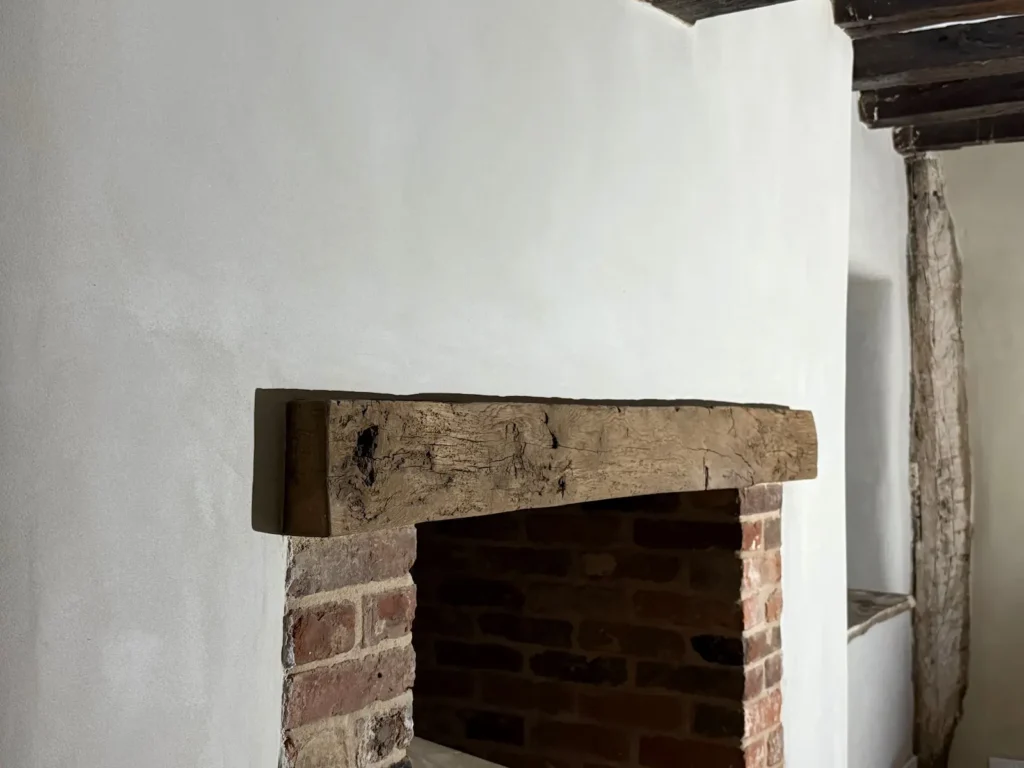
The final layer. Applied thin (usually 2mm, 3mm at most)and worked to a smooth or textured finish depending on the building and your preference. This is what you see and decorate but everything beneath it is what makes it last. The ‘finish’ of lime plaster does tend to vary, depending on the property/background masonry at times as well as features surrounding the plaster such as beams etc. A difference in finish is always to be expected when working with natural materials however I always aim for smooth and flat. This is all part of the charm that makes lime plaster such a great choice for your property.
Whether you’re dealing with failing plaster on a solid stone wall, a period property that’s been wrongly skimmed with gypsum, or a full internal renovation that needs a proper breathable finish throughout — lime plastering done correctly makes a lasting difference. Every job is approached with a genuine understanding of how these buildings perform, what’s gone wrong, and what a sympathetic lime plaster system will do for the wall long term.
From listed cottages and stone farmhouses to Victorian villas and timber-framed properties, I carry out traditional lime plastering work for homeowners and property custodians across Shropshire who understand that older walls need materials that work with them, not against them. Covering Much Wenlock, Shrewsbury, Ludlow, Tenbury Wells, Hereford, Powys, Bridgnorth, Telford, Church Stretton and the wider Shropshire area.
Sensitive repairs and traditional lime work for protected and historic properties.
Breathable lime mortars and repairs designed to work in harmony with traditional stone construction.
Helping maintain the character and performance of Shropshire’s historic rural buildings.
Traditional materials and craftsmanship suitable for buildings of historic significance.
Experience working with lime-based materials appropriate for places of worship and historic community buildings.
Supporting sensitive restoration projects where preserving original fabric and breathability is paramount.
If you’re looking for lime plastering, lime pointing or stonework repair in Shropshire then please feel free to get in touch via the form below.
Every property and every job is a unique story, requiring an in-person survey to enable us to give you the best advice. To arrange a tailored on site quote, please use the form below or give us a call to get in touch.
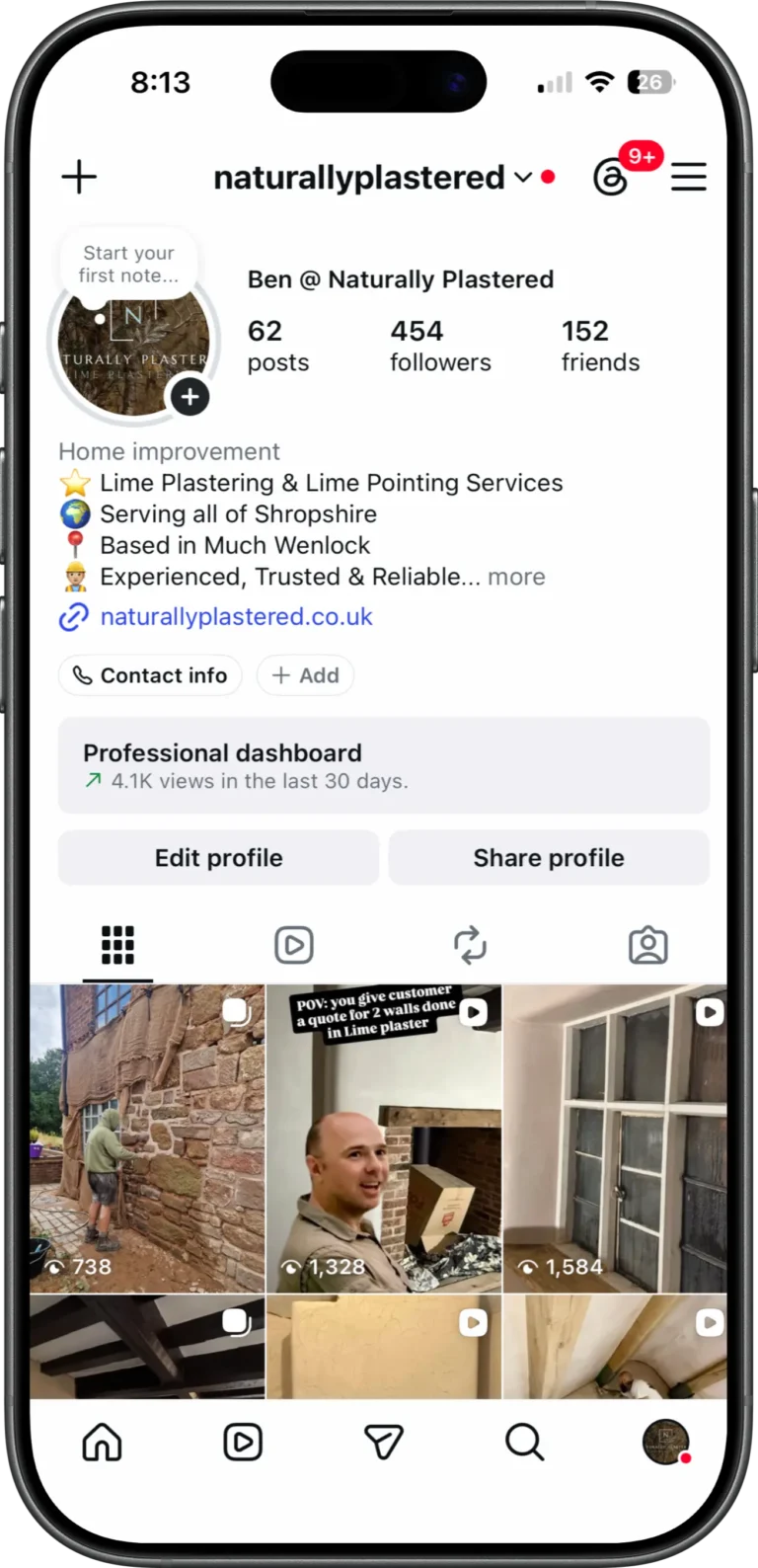
I regularly post all of my current lime plastering and lime pointing work across Shropshire and daily updates on Instagram! Give me a follow or check out my page to keep up to date or get touch.
From replacing incorrectly applied gypsum plasters on a townhouse in Shrewsbury to restoring beautiful farmhouses in Market Drayton and renovating small cottages in Bridgnorth, I’ve been kept busy lime plastering just about everywhere in Shropshire. Here’s what some of my clients have said..
Choosing the right lime plasterer for a traditional building isn’t just about finding someone who can apply a finish coat. Older properties need someone who understands how solid walls behave, why breathability matters, and how a properly built lime plaster system should be specified, prepared and applied from the substrate up.
At Naturally Plastered, lime plastering is the core of what I do. Every internal lime plaster job, whether it’s a single damp room in a listed cottage or a full property renovation is approached with the same attention to substrate preparation, material selection and curing time that the work demands. No shortcuts, no incompatible materials, no rushing coats that need time to carbonate.
The result is lime plastering that performs the way it should: breathable, durable, and sympathetic to the building it’s protecting.
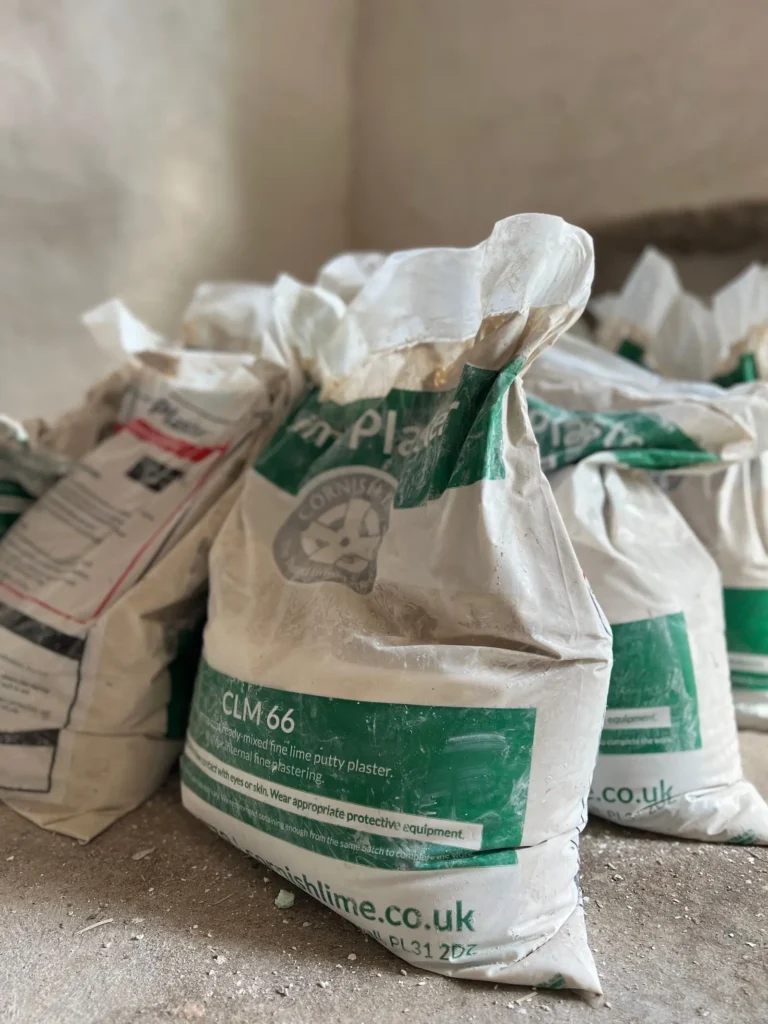
Most plasterers will say they offer lime as a side-line, an occasional job taken on alongside modern gypsum and cement work. Lime plastering in Shropshire is all I do. I’ve spent years focused specifically on traditional lime plaster systems, the buildings they belong in, and the techniques required to apply them correctly on solid-wall properties that need materials matched to how they were built.
From traditional three-coat non-hydraulic lime plastering on listed cottages and stone farmhouses to heritage renovation work across Shropshire and the surrounding counties, every project benefits from that single-minded focus. I work closely with some of the UK’s most respected traditional building material suppliers — including Ty-Mawr Lime, Cornish Lime and Best of Lime ensuring the materials used are always appropriate for the substrate, the building age, and the specific demands of the job.
Specialising in lime plastering rather than treating it as an add-on means I can give genuinely informed advice on material specification, preparation and application, not just turn up and get the plaster on the wall. For the older properties of Shropshire, that level of knowledge makes a real difference to how the finished work performs.



Lime plastering throws up a lot of questions, especially if you’ve only ever dealt with modern gypsum or you’re trying to get your head around the difference between lime putty, hydraulic lime and everything in between. Below I’ve answered the questions I hear most often from Shropshire homeowners considering lime plastering for the first time. If yours isn’t covered, give me a call – I’m always happy to talk through what your walls actually need before any work is committed to.
Take a look at more of my recently completed projects throughout Shropshire on my portfolio page.
WhatsApp Me

Currently Accepting New Projects
Traditional Lime Plastering and Heritage Lime Pointing Services for Shropshire’s Older Properties.
Send A Message
Fill in the form below and I will be in touch as soon as possible to discuss your requirements.
No spam. Your details are only used to contact you regarding your enquiry.