
Hi, I’m Ben. Based in Much Wenlock, in the heart of the Shropshire Hills, I’ve been working with traditional lime mortars and lime plasters since my late teens. What began as a trade quickly became a genuine passion for historic buildings, traditional craftsmanship, and the materials that have protected our built heritage for centuries.
Today, I specialise in traditional lime plastering, lime pointing, stonework repairs and breathable building solutions for period, listed and traditionally constructed properties throughout Shropshire and the surrounding counties.
I believe older buildings deserve sympathetic repairs using compatible materials and traditional techniques. Whether I’m applying a three-coat non-hydraulic lime plaster system, repointing historic masonry, or carrying out stone repairs, my focus is always on preserving the character, performance and longevity of the building.
If it involves lime, chances are I’ll be happy to help.
You can contact me on 07904449728 or email me at naturallyplastered@gmail.com
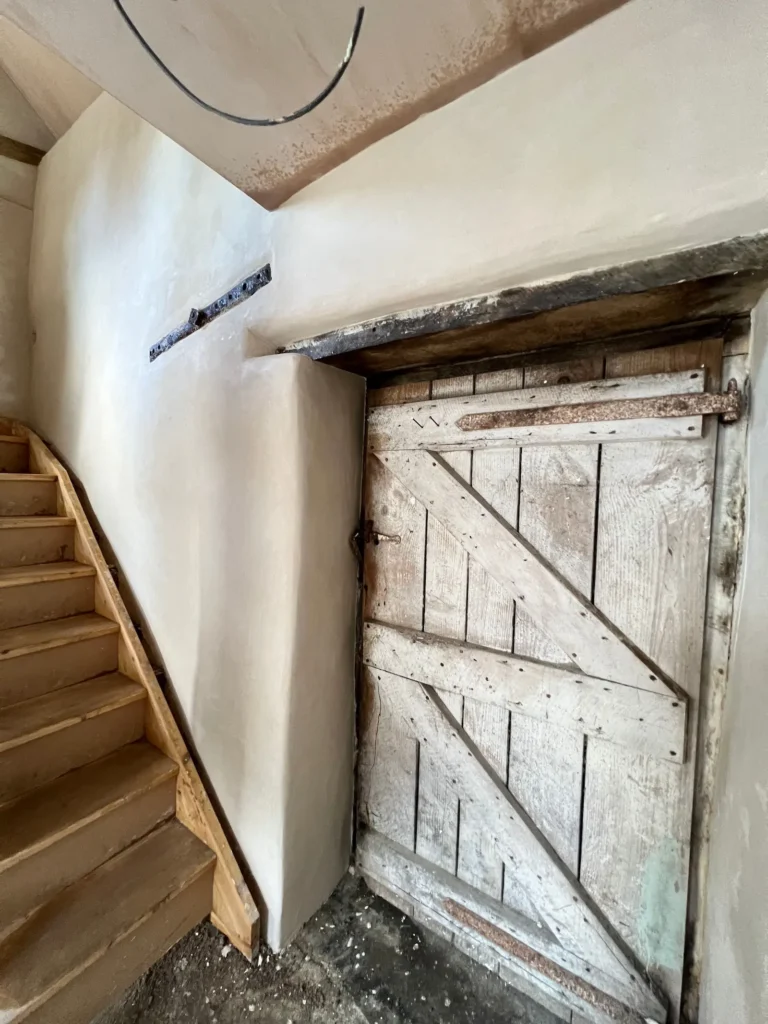
Three-coat lime plaster systems using traditional non-hydraulic lime mortars.
Improve comfort and thermal performance of older properties whilst maintaining breathability.
Traditional stone repairs, rebuilding stonework and masonry conservation in Shropshire.
Breathable repointing for stone and brick buildings using appropriate lime mortars.
Many of Shropshire’s older buildings were originally constructed using lime-based materials, making lime plasters and mortars the most compatible choice when carrying out repairs or restoration work. Unlike modern cement products, lime allows traditional solid-wall buildings to breathe naturally, helping moisture evaporate rather than becoming trapped within the walls. This can significantly reduce issues such as dampness, condensation and masonry decay.
Lime is also naturally flexible. Older properties move and settle over time, and lime mortars are able to accommodate this movement without cracking or failing in the way harder cement-based materials often do. This flexibility helps protect historic brickwork, stonework and timber-framed structures, extending the life of the building while preserving its original character. For period properties across Shropshire, lime isn’t simply a traditional choice, it’s often the right choice.
From transforming just one problematic wall for a homeowner of a timber framed cottage in Bridgnorth through to large renovation projects in Hodnet for large country Estates I handle a variety of different projects. Here’s what client’s have said about me and my work!
Take a look at more of my recently completed projects throughout Shropshire on my portfolio page.
From listed cottages and historic farmhouses to churches and heritage buildings, I work with homeowners, property custodians and conservation-minded clients in Shropshire who want to care for their buildings using traditional materials and sympathetic repair methods.
Whether your property requires lime plastering, lime pointing, stonework repairs or breathable renovation solutions, every project is approached with an understanding of how traditional buildings were designed to function. By using appropriate materials and time-tested techniques, I help preserve the character, integrity and long-term health of older properties throughout Shropshire and the surrounding counties.
Sensitive repairs and traditional lime work for protected and historic properties.
Breathable lime mortars and repairs designed to work in harmony with traditional stone construction.
Helping maintain the character and performance of Shropshire’s historic rural buildings.
Traditional materials and craftsmanship suitable for buildings of historic significance.
Experience working with lime-based materials appropriate for places of worship and historic community buildings.
Supporting sensitive restoration projects where preserving original fabric and breathability is paramount.
Choosing the right contractor for a traditional building is about more than simply finding someone who can plaster or point a wall. Older properties require an understanding of traditional materials, breathable construction methods and sympathetic repair techniques that work with the building rather than against it.
At Naturally Plastered, I specialise exclusively in lime-based repairs and heritage building work. From traditional three-coat lime plastering and lime pointing to stonework repairs and breathable renovation solutions, every project is approached with care, craftsmanship and respect for the building’s history. My aim is always to deliver repairs that not only look right but help protect and preserve your property for many years to come.
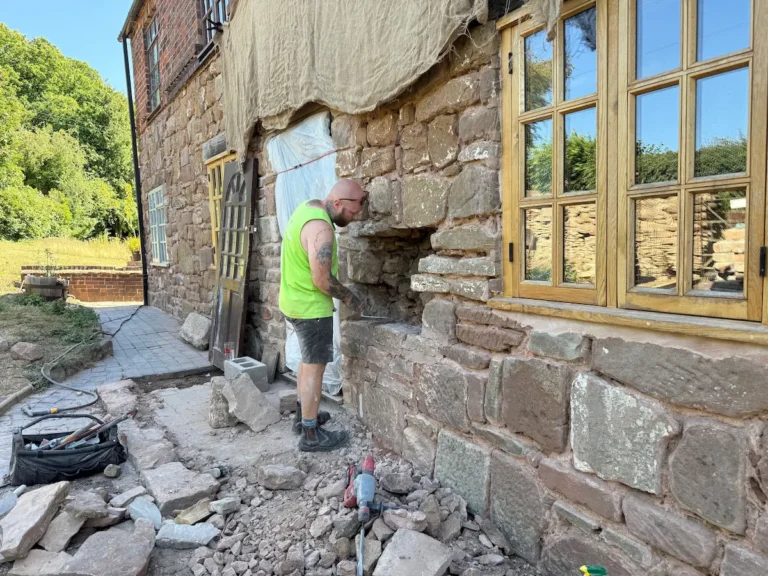
Whether you’re restoring a character property in Shrewsbury, repairing traditional masonry in Bridgnorth, carrying out sympathetic renovations in Ludlow, or looking for specialist lime plastering in Church Stretton, I offer a personal service focused on craftsmanship, compatibility and the long-term health of your building.
I also regularly travel further afield for larger heritage and conservation projects. Not sure if you’re within my working area? Feel free to get in touch – I’m always happy to discuss projects both within Shropshire and beyond.
Areas Commonly Covered
📍 Much Wenlock
📍 Shrewsbury
📍 Bridgnorth
📍 Ludlow
📍Tenbury Wells
📍 Church Stretton
📍 Telford
📍 Oswestry
📍 Whitchurch
📍 Bishops Castle
📍 Newport
If you’re looking for lime plastering, lime pointing or stonework repair in Shropshire then please feel free to get in touch via the form below.
Every property and every job is a unique story, requiring an in-person survey to enable us to give you the best advice. To arrange a tailored on site quote, please use the form below or give us a call to get in touch.
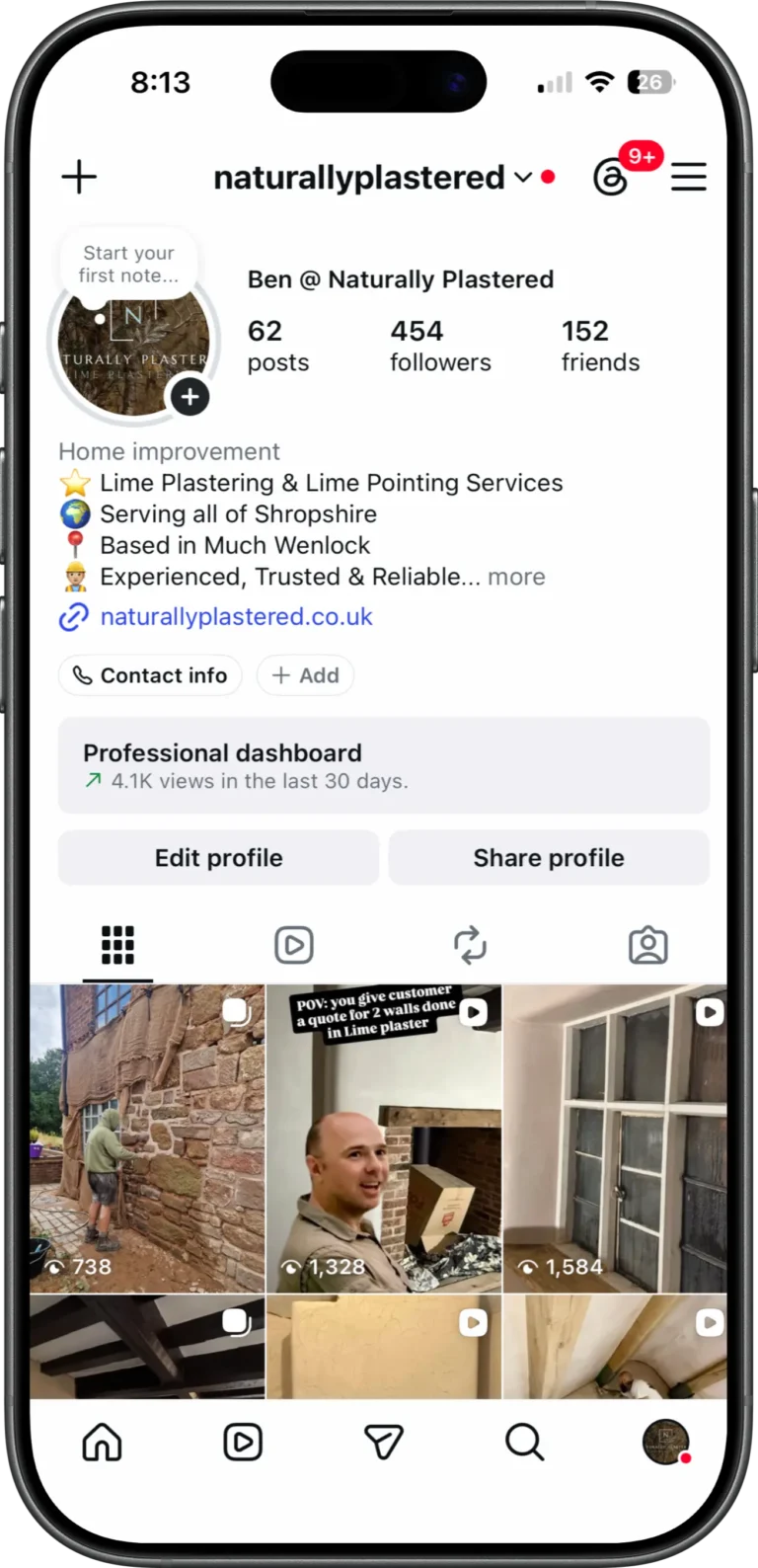
I regularly post all of my current lime plastering and lime pointing work across Shropshire and daily updates on Instagram! Give me a follow or check out my page to keep up to date or get touch.
While many plasterers offer lime as an additional service, lime work is at the heart of everything I do. I have dedicated years to understanding traditional materials, historic building methods and the correct techniques required to repair and preserve older properties.
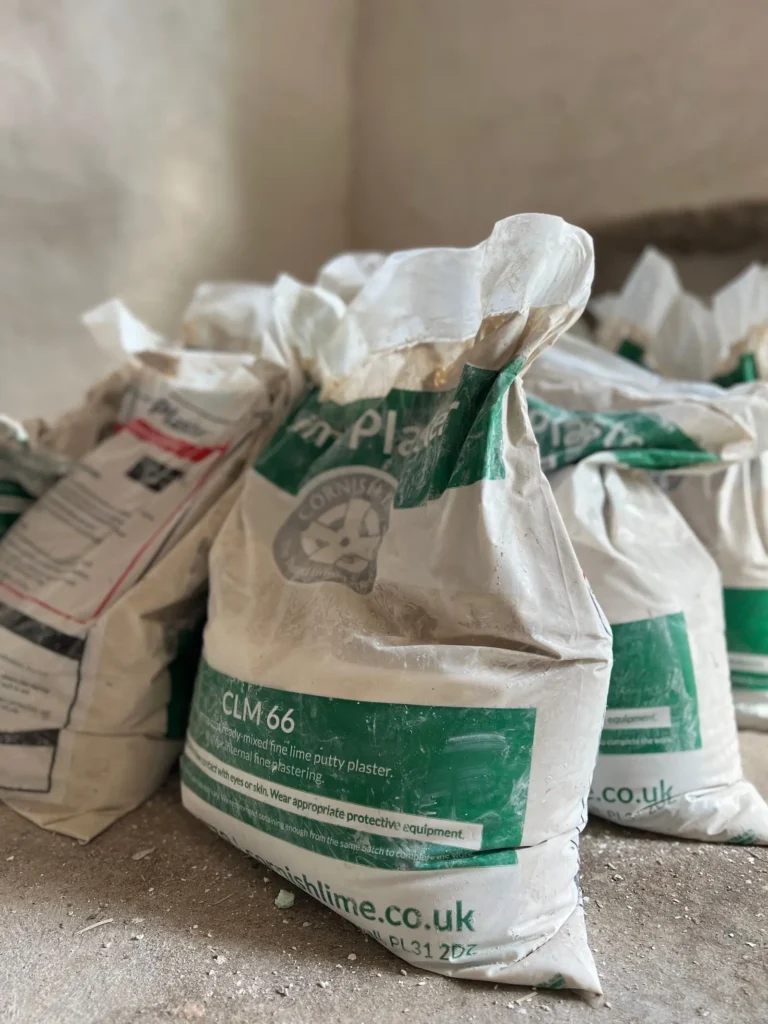
From traditional three-coat non-hydraulic lime plastering and lime pointing to stonework repairs heritage building work my focus has always been on delivering sympathetic workmanship that respects the age and character of the building. I continually invest in expanding my knowledge and work closely with some of the UK’s leading suppliers of traditional building materials, including Ty-Mawr Lime, Cornish Lime and Best of Lime.
By specialising in lime rather than treating it as an occasional service, I can provide informed advice, appropriate material selection and repairs that work in harmony with traditional buildings. For me, lime isn’t simply a product I use—it’s a craft I’m genuinely passionate about.


Navigating the do’s and dont’s of the lime world can be confusing at first, as well as trying to understand the different types of lime and their applications. I’ve answered some of the commonly asked questions by Shropshire home-owners when it comes to lime plastering & lime pointing. If your question isn’t on the list feel free to give me a call and be more than happy to help.
WhatsApp Me

Currently Accepting New Projects
Traditional Lime Plastering and Heritage Lime Pointing Services for Shropshire’s Older Properties.
Send A Message
Fill in the form below and I will be in touch as soon as possible to discuss your requirements.
No spam. Your details are only used to contact you regarding your enquiry.